Ihr Warenkorb ist leer

Versandkostenfrei in DE ab 39 € // Neue Seminartermine immer am ersten Freitag des Monats für den Folgemonat
Versandkostenfrei in DE ab 39 € // Neue Seminartermine immer am ersten Freitag des Monats für den Folgemonat


Februar 21, 2026 8 min lesen.
(English version below)
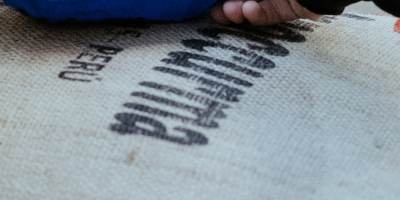
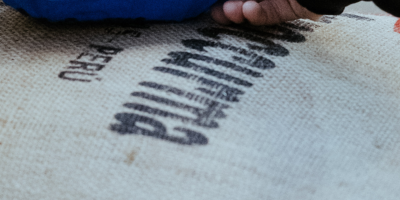
Sourcing klingt nach Einkauf. Ist es aber nicht. In Wirklichkeit ist es der Moment, in dem wir festlegen, welche Art Kaffee überhaupt möglich wird – sensorisch, wirtschaftlich, kulturell. Specialty Coffee ist keine austauschbare Ware, sondern ein Gefüge aus Landwirtschaft, Verarbeitung, Logistik, Risiko und Beziehungen. Wer das ernst nimmt, denkt Sourcing als Praxis: Qualität, Transparenz, Saisonalität und Partnerschaft. Und mit der schlichten Einsicht, dass Verantwortung lange vor dem Hafentor anfängt.
Beginnen wir deshalb nicht mit einer Landkarte, sondern mit einer (viel unromantischeren, dafür ehrlicheren) Frage: Welche Tasse suchen wir gerade? Klar gezeichnet oder üppig. „Comforting“ oder „adventurous“. Und: Welche Rolle soll dieser Kaffee im Sortiment spielen – Everyday, saisonaler Akzent, oder bewusst ein Ausschlag nach oben? Erst dann wird es konkret: Land, Region, Höhenlage, Aufbereitung, Lot-Struktur, Verfügbarkeit. Und am Ende bleibt eine Prüfung, an der man nicht vorbeikommt: Passt die Lieferkette mit ihren Werten zu dem, was wir vertreten?
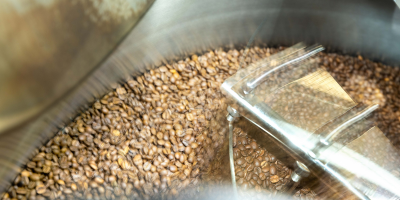
Der Weg vom Wunschprofil zur finalen Entscheidung ist bewusst handwerklich. Proben kommen rein, Rohkaffee wird visuell und sensorisch geprüft, es wird probergeröstet, gecuppt – blind, damit die Tasse spricht und nicht das Etikett. Wenn ein Kaffee überzeugt, geht es um Wiederholbarkeit: Abgleich zwischen Muster und angelieferter Ware, Qualitätskontrolle, Röstprofilentwicklung. Gute Beschaffung zeigt sich selten im Pathos, eher darin, ob eine Tasse ihr Versprechen auch im Alltag hält. Dass unsere Kaffees häufig wechseln, hat wenig mit Reflexen zu tun. Es ist Saisonalität. Kaffee ist eine Frucht. Erntefenster sind begrenzt, Lots sind endlich, Frische ist real – und ein Lot ist irgendwann ausverkauft, weil es genau so gedacht ist: als Moment, nicht als Dauerzustand.
Damit aus „wir finden das gut“ ein überprüfbares „wir können das begründen“ wird, steht bei Hoppenworth & Ploch seit Jahren ein zweites Fundament daneben: Transparenz. Transparenz heißt für uns: nachvollziehbar zu machen, was wir wissen, was wir teilen dürfen – und auch, warum manche Informationen öffentlich keinen Platz haben. „Nicht veröffentlichbar“ heißt dabei nicht „unbekannt“. Es gibt Partnerschaften und Konstellationen, in denen Vertraulichkeit Teil von Fairness ist. Entscheidend ist, dass das Wissen vorhanden ist – und verantwortungsvoll eingeordnet wird.
Diese Praxis lässt sich auch in Zahlen lesen. In unserem Transparenzbericht 2024 weisen wir 35 eingekaufte Lots aus; 29 davon vollständig transparent, 6 teilweise – kein Lot war vollständig intransparent. Die Transparenzquote liegt bei 83,8 % nach Kilogramm und 86,9 % nach Euro. Und auch der Qualitätsanspruch bleibt greifbar: Der durchschnittliche Score der transparent dokumentierten Kaffees liegt bei 87 Punkten. Zahlen ersetzen keine Tasse. Aber sie zeigen, dass Anspruch dokumentiert wird.
Und dann ist da der Preis – der Punkt, an dem Transparenz schnell zur Pose wird, wenn man ihn ohne Kontext erzählt. „Fair“ ist keine Zahl, sondern ein Verhältnis: zu Qualität, zu Risiko, zu Verarbeitung, zur Verteilung im Ursprung. Genau deshalb arbeiten wir mit klaren Begriffen. FOB ist ein international vergleichbarer Referenzpunkt, weil er den Preis „bereit zur Verschiffung“ abbildet. Er erklärt jedoch nicht automatisch, wie Wert im Ursprung verteilt ist. Ex-Farmgate/Farmgate ist näher am Einkommen der Produzent*innen, taucht aber nicht in allen Strukturen in sauber vergleichbarer Form auf. Transparenz heißt hier: Begriffsklarheit – und die Bereitschaft, Kontext zu liefern statt Parolen.
Wie so eine Einordnung aussehen kann, zeigen wir im Fallbeispiel „La Esperanza“ (Transparenzbericht 2022/23): Dort setzen wir den gezahlten FOB-Preis in Relation zu Specialty-Marktdaten ähnlicher Qualität und vergleichen ihn zusätzlich mit dem Weltmarkt (C-Market). Sichtbar wird: Specialty folgt Marktlogiken – und entwickelt zugleich eigene, qualitätsbezogene Preissprachen. 2024 wurde das besonders deutlich: Es gab Konstellationen, in denen Einkaufspreise zeitweise unter dem C-Market lagen, weil Kontrakte früher abgeschlossen wurden und der C-Market später stark anstieg. Ein gutes Beispiel dafür, warum „Preis“ ohne Zeitbezug und Vertragslogik schnell missverständlich wird.
Spätestens hier zeigt sich, ob Sourcing ein schönes Wort bleibt – oder eine ernst gemeinte Praxis. Denn Sourcing ist auch die Disziplin, mit den wenigen Fällen umzugehen, in denen etwas nicht aufgeht: wenn ein Lot sensorisch anders ankommt als das Muster, wenn die physische Rohware Auffälligkeiten zeigt, wenn Datenlücken entstehen oder Dokumentation nicht den Standard erreicht, den wir für Traceability und Verantwortung ansetzen. Solche Fälle sind selten – und genau deshalb wichtig.
Unser Umgang ist dann bewusst unaufgeregt und klar. Wir halten ein Lot zurück, prüfen erneut, verkosten wiederholt – idealerweise über mehrere Sessions und mit mehreren Verkostenden, damit Zufall und Tagesform weniger Einfluss haben. Parallel klären wir die Kette: fehlende Informationen werden nachgefordert, Plausibilitäten geprüft, und wir entscheiden, ob Transparenz und Qualität so belastbar sind, dass wir sie öffentlich vertreten können. Der wichtigste Schritt ist am Ende die Konsequenz. Wenn ein Kaffee unsere Qualitäts- oder Transparenzanforderungen verfehlt, geht er nicht unter einem Versprechen raus, das er nicht halten kann. Manchmal lässt sich ein Lot nach Klärung sauber freigeben; manchmal ist die richtige Entscheidung, es nicht zu veröffentlichen oder nicht zu verkaufen – und es intern als Lernmaterial zu nutzen, statt es „irgendwie“ in den Markt zu drücken. Auch das gehört zur Idee von Specialty: Nicht alles, was existiert, muss ein Release werden.
Aus all dem ergibt sich für uns eine Konsequenz, die wir in den nächsten Jahren noch stärker machen wollen: Neben dem jährlichen Transparenzbericht braucht es ein Format, das einen konkreten Einkauf so dokumentiert, dass er für Kundinnen und Partnerinnen wirklich greifbar wird – ein Sourcing-Bericht pro Kaffee. Eine saubere Momentaufnahme: Land, Region, Farm oder Kooperative, Produzent*in, Höhe, Varietäten, Aufbereitung. Dazu Qualitätsnachweis (sensorisches Profil, Cupping-Score und – wo verfügbar – physische Parameter wie Sortierung/Defektbewertung). Und schließlich Lieferkette und Preislogik (FOB, idealerweise zusätzlich Ex-Farmgate/Farmgate) – sinnvoll eingeordnet im Marktumfeld.
So verstanden ist Specialty Professionalität: präzise im Cup, nachvollziehbar in der Kette, ehrlich in den Grenzen und verantwortungsvoll in der Beziehung. Genau daran arbeiten wir weiter – auch strukturell. Mit einer digitalen Rohkaffeedatenbank und einer engeren Verzahnung von Einkauf und Dokumentation wollen wir Transparenz früher verfügbar machen und Partnerschaften langfristiger denken, besonders dort, wo Volumen und Alltag des Sortiments liegen. Sourcing ist damit die Architektur hinter der Tasse. Und sie entscheidet, ob eine Tasse am Ende nur gut schmeckt – oder ob sie auch begründet ist.
Sourcing sounds like purchasing. It isn’t. In reality, it’s the point at which we decide what kind of coffee can even exist—sensorially, economically, culturally. Specialty coffee isn’t a plug-and-play commodity; it’s a web of agriculture, processing, logistics, risk, and relationships. If you take that seriously, you don’t treat sourcing as a one-off transaction. You treat it as a practice: quality, transparency, seasonality, partnership—and the simple insight that responsibility starts long before the container ever sees a ship.
So let’s begin, not with a map, but with a more honest question: what kind of cup are we actually looking for? Cleanly drawn or lush. Comforting or adventurous. And what role should this coffee play in our line-up—an everyday anchor, a seasonal accent, or a deliberate step up? Only then do the specifics come into focus: country, region, altitude, processing, lot structure, availability. And in the end, there’s a test you can’t sidestep: does the supply chain—its people, its practices, its values—align with what we’re willing to stand for?
The path from an idea of a profile to a final decision is deliberately hands-on. Samples arrive. We assess green coffee visually and sensorially, run sample roasts, and cup blind—so the cup speaks louder than the label. When a coffee convinces us, the question isn’t “nice,” it’s repeatability: how the arrival matches the sample, how stable the quality is, what the roast profile needs to be. Good sourcing rarely shows up as grand rhetoric. It shows up in whether a coffee keeps its promise on an ordinary Tuesday.
The fact that our coffees change frequently has little to do with restlessness. It’s seasonality. Coffee is a fruit. Harvest windows are limited, lots are finite, freshness is real—and a lot is eventually gone because it was never meant to be permanent. It was meant to be a moment.
If we want “we like this” to become “we can justify this,” we need a second foundation alongside sensory quality: transparency. For us, transparency means making clear what we know, what we are allowed to share—and why some information can’t be public. “Not publishable” does not mean “unknown.” There are partnerships and constellations where discretion is part of fairness. What matters is that the knowledge exists—and that it’s handled responsibly.
You can read that practice in the numbers, too. In 2024, we purchased 35 lots; 29 were fully transparent, 6 partially—none fully intransparent. Our transparency rate reached 83.8% by kilogram and 86.9% by euro. And the quality bar remains tangible: the average score of our transparently documented coffees was 87 points. Numbers don’t replace a cup. But they show that standards aren’t just claimed—they’re recorded.
And then there’s price—the place where transparency can turn into performance if you present it without context. “Fair” isn’t a single number; it’s a relationship: to quality, to risk, to processing, to how value is distributed at origin. That’s why we insist on clear terms. FOB is an internationally comparable reference point because it reflects a price “free on board,” ready for export. But it doesn’t automatically explain how value is shared at origin. Ex-farmgate/farmgate prices sit closer to producer income, yet they don’t appear in every structure in a clean, comparable form. Transparency here means clarity of language—and a willingness to provide context instead of slogans.
We show what that context can look like in one of our case studies, where we relate the paid FOB price to specialty market data for similar quality and also compare it to the world market (C-market). What becomes visible is this: specialty follows market logics, and at the same time develops its own, quality-based price languages. In 2024 that became especially clear. There were constellations in which purchase prices were, at times, below the C-market—not because we “bought cheaper,” but because contracts were signed earlier and the C-market rose sharply later on. A good reminder of why price, without timing and contract logic, becomes easy to misread.
At this point, you can tell whether “sourcing” remains a nice word—or becomes a real practice. Because sourcing also means dealing with the rare cases where something doesn’t add up: a lot cups differently than the sample, the physical green shows irregularities, data gaps appear, documentation doesn’t meet the standard we set for traceability and responsibility. These situations are uncommon—and that’s precisely why they matter.
Our approach stays calm and clear. We hold the lot back, reassess it, cup it again—ideally over multiple sessions and with multiple palates, so chance and daily form have less influence. In parallel, we clarify the chain: missing information is requested, plausibility checked, and we decide whether transparency and quality are robust enough for us to stand behind publicly. And then comes the most important step: consequence. If a coffee falls short of our quality or transparency requirements, it doesn’t leave our roastery under a promise it can’t keep. Sometimes a lot can be cleanly cleared after clarification; sometimes the right decision is not to release it, not to sell it—and to use it internally as learning material rather than forcing it into the market “somehow.” This, too, belongs to the idea of specialty: not everything that exists needs to become a release.
From all of this follows a next step we want to strengthen in the years ahead: alongside the annual transparency report, we need a format that documents a specific purchase in a way customers and partners can actually grasp—a sourcing report for each coffee. A precise snapshot: country, region, farm or cooperative, producer, altitude, varieties, processing. Then quality evidence (sensory profile, cupping score, and—where available—physical parameters such as sorting/defect assessment). And finally the supply chain and price logic (FOB, ideally also ex-farmgate/farmgate), sensibly situated within the broader market context.
Seen this way, specialty is professionalism: precise in the cup, traceable in the chain, honest about limits, responsible in relationships. That’s what we’re continuing to build—also structurally. With a digital green-coffee database and a tighter integration of purchasing and documentation, we want information to be available earlier and more reliably, and partnerships to be developed for the long term—especially where volume and everyday reality live, in blends and core coffees. Sourcing is the architecture behind the cup. And it decides whether a cup tastes good—or whether it can also be justified.
10% Rabatt auf Deine 1. Kaffeebestellung.Und mehr: Melde Dich für unseren Newsletter an und verpasse keine Kaffee-Releases, Angebote und Hintergrundgeschichten mehr.
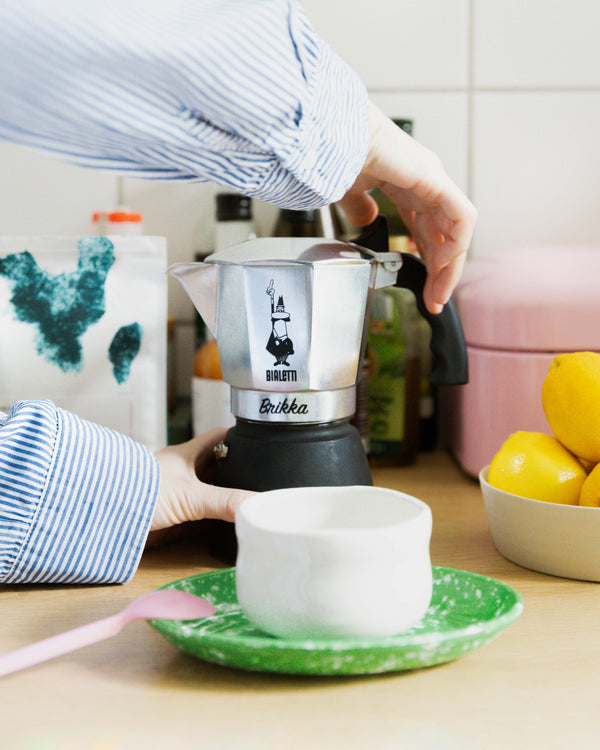
Jeden Monat ein neuer, frischer Kaffee für zuhause? Egal ob Filter oder Espresso - mit unserem Kaffee Abo begibst du dich regelmäßig auf eine kleine sensorische Weltreise durch die Welt des Kaffees - weltweit versandkostenfrei!